Concrete Driveways
Your driveway is one of the first things people notice about your property, and we build them to last.
Why Choose Concrete for Your Driveway
When you're deciding what material to use for your driveway, concrete offers advantages that other options can't match. Good concrete driveway building produces a surface that lasts 30 years or more with minimal maintenance. Compare that to asphalt, which typically needs replacing every 15 to 20 years, and you'll see why concrete makes financial sense.
Concrete handles the weather extremes we get here in Southern Utah better than most materials. It doesn't soften in summer heat like asphalt. It won't shift or sink if installed on a proper base. The light color actually helps keep your driveway cooler on hot days, which makes a difference when you're walking to your car in July.
Maintenance is straightforward. You don't need to seal it every few years like asphalt. An occasional cleaning with a hose or pressure washer keeps it looking good. If you want extra protection, you can apply a sealer every few years, but it's not required. Most of our customers just let the concrete do its job without much intervention.
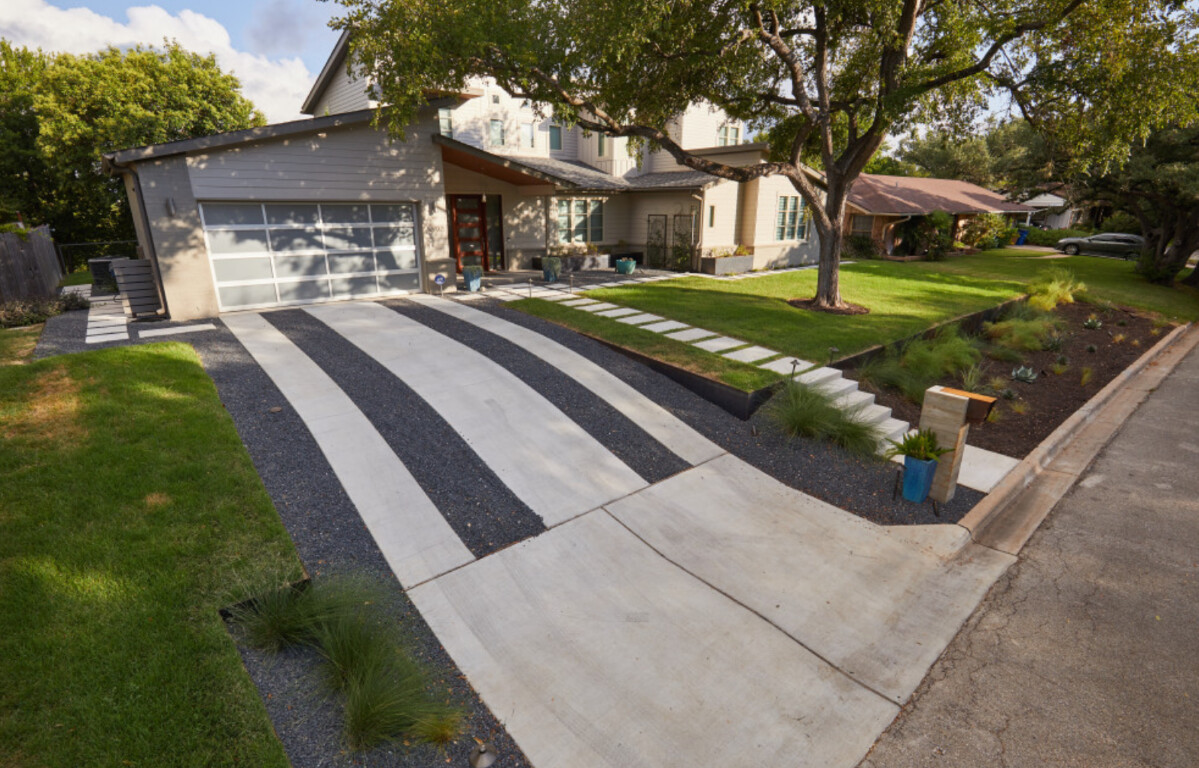
The design flexibility is another benefit. While a standard gray finish works great, you have options for color, texture, and patterns if you want something more distinctive. Many homeowners choose decorative concrete finishes to add visual interest without the cost of pavers or stone.
Our Driveway Installation Process
A quality concrete driveway starts with proper preparation, and that's where many contractors cut corners. We don't, and any reputable concrete driveway contractor will tell you the same. Here's what goes into every driveway we install.
Site Preparation and Base Work
First, we excavate to the proper depth and grade the area for drainage. Water needs somewhere to go, so we make sure the ground slopes away from your home and garage. Then we bring in compacted base material. This step is critical because a solid base prevents settling and cracking. We use a plate compactor to ensure the base is dense and stable. Many problems with driveways start with inadequate base preparation, so we take our time here.
Forming and Reinforcement
Next, we set forms to define the driveway edges and control the concrete thickness. Residential driveways typically need four to six inches of concrete depending on your vehicles and soil conditions. We install steel reinforcement or fiber mesh to add strength and control cracking. Concrete will crack over time, but proper reinforcement keeps those cracks tight and prevents structural problems.
Pouring and Finishing
When we pour concrete, timing and technique matter. We work efficiently to place and finish the concrete before it starts to set. Our crew levels and smooths the surface, then applies the finish you selected. A standard broom finish provides good traction in all weather. If you want a smoother look, we can do that too. We also cut control joints in strategic locations to guide any cracking that might occur.
The curing process is the final step. We protect the new concrete and keep it moist so it gains full strength. You'll need to keep vehicles off the driveway for about a week. It seems like a long time, but proper curing makes a huge difference in how long your driveway lasts. Rush this step and you'll have problems down the road.
What Affects Driveway Cost
Most homeowners want to know what concrete driveway building will cost. The honest answer is it depends on several factors. Here's what influences pricing so you can plan accordingly.
- Size: This is obvious, but driveway size has the biggest impact on cost. We charge by the square foot, so a larger driveway costs more than a smaller one.
- Site conditions: If your property has challenging access, poor soil, or drainage issues, that adds to the work required. Sometimes we need to bring in additional base material or improve drainage.
- Thickness: Standard residential driveways need four inches of concrete. If you park heavy vehicles like RVs or work trucks, you might need six inches for extra strength.
- Removal and disposal: If you have an existing driveway, we need to remove and haul away the old material. This adds labor and disposal fees to your project.
- Finish options: A standard broom finish is included in basic pricing. Decorative finishes like stamped patterns or colored concrete cost more due to additional materials and labor.
- Additional features: Things like decorative borders, exposed aggregate sections, or custom designs increase the final price.
The best way to get accurate pricing is to have us visit your property. We'll measure the area, assess site conditions, discuss your preferences, and provide a detailed quote. Our pricing is transparent with no hidden fees. What we quote is what you pay unless you request changes to the original plan.
Many of our Washington, UT customers are surprised that concrete driveways cost less than they expected, especially when you consider the long lifespan and low maintenance. When you factor in 30-plus years of service, the cost per year is quite reasonable.
Common Questions About Concrete Driveways
Ready for a New Driveway?
Contact us today for a free quote on your concrete driveway project.
Call (435) 236-6876