Retaining Walls & Concrete Masonry
We build strong, attractive walls that control erosion and create usable outdoor spaces.
Why You Need a Retaining Wall
Retaining walls solve practical problems while enhancing your property's functionality and appearance. If your yard has slopes, erosion, or elevation changes, a well-designed retaining wall might be the solution you need. These structures hold back soil, prevent erosion, and create level areas where slopes would otherwise limit your property's use.
Many properties in Southern Utah have challenging topography. Sloped yards make landscaping difficult and waste potential outdoor space. Erosion washes away soil during heavy rains. Drainage problems send water toward your home or create muddy areas. Retaining walls address these issues by controlling the grade and stabilizing soil. A properly engineered wall holds tons of earth in place and redirects water safely away from structures.
The functional benefits are clear, but retaining walls also add visual interest to your landscaping. Terraced yards with multiple wall levels create dimension and planting opportunities. Walls define spaces and separate different functional areas. You can incorporate seating areas, planters, or decorative elements into wall design. A quality retaining wall installation increases your property value by making more of your land usable and attractive.
Safety is another important consideration. Unstable slopes pose risks to structures, landscaping, and people. Soil movement can damage foundations, crack driveways, and undermine patios. Retaining walls prevent this movement by providing permanent, engineered support. If you're dealing with slope stability issues, addressing them with proper retaining walls protects your property investment and prevents more serious problems down the road.
Retaining Wall Options
We build retaining walls using various materials and techniques. The right choice depends on wall height, soil conditions, aesthetic preferences, and budget.
Concrete Block Walls
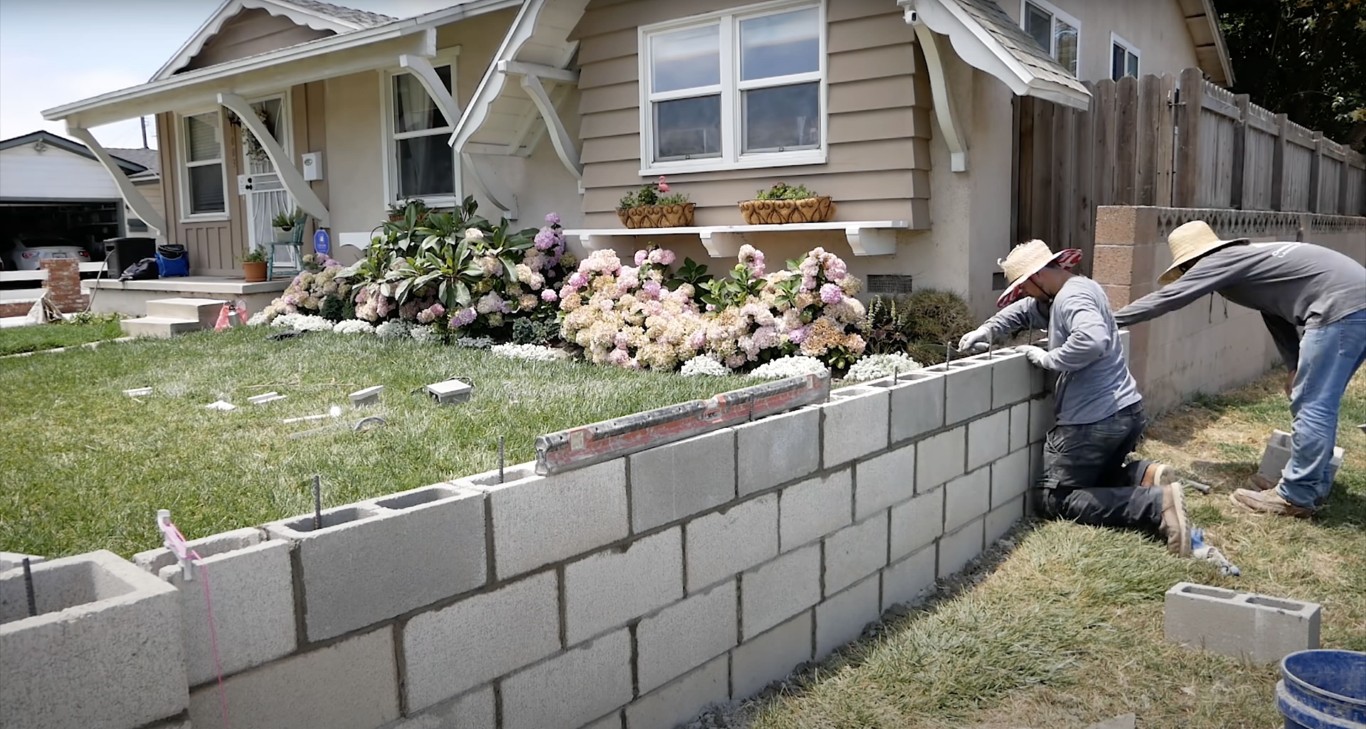
Interlocking concrete blocks are popular for residential retaining walls. These modular units stack together and use pins or their own weight to stay in place. They come in various colors, textures, and styles that mimic natural stone. Block walls work well for heights up to six or eight feet. Installation is relatively straightforward but requires proper base preparation and drainage. The finished look is clean and modern with the durability concrete provides.
Poured Concrete Walls
Poured concrete retaining walls offer maximum strength for challenging situations. These walls are formed and reinforced with steel before pouring concrete. They handle greater heights and soil pressures than block walls. Poured walls work well where space is limited because they can be thinner than other wall types. The surface can be left plain, stamped for texture, or faced with stone or other materials. Engineering is typically required for poured concrete retaining walls over four feet high.
Concrete Masonry Walls
Traditional concrete masonry unit walls use mortar joints between blocks. These walls provide excellent strength and longevity. We can use standard concrete blocks and finish them with stucco or stone veneer. The gray block appearance works for utilitarian applications while finished walls complement residential landscaping. Masonry walls require footings and proper reinforcement especially for taller installations.
Decorative and Custom Walls
Beyond standard retaining walls, we build decorative structures that combine function with aesthetics. This includes seat walls, planter walls, and architectural features that define outdoor spaces. These shorter walls often don't require engineering but need the same attention to drainage and base preparation. We can match wall materials to your existing patio or home exterior for a cohesive look.
- Height considerations: Walls over four feet typically require engineering and permits
- Drainage: All retaining walls need proper drainage to prevent pressure buildup and failure
- Footings: Most walls require concrete footings below frost depth for stability
- Reinforcement: Taller walls need geogrid reinforcement extending back into retained soil
- Terracing: Multiple shorter walls often work better than one tall wall
Building Your Retaining Wall
Proper retaining wall installation requires planning, preparation, and attention to structural details. Shortcuts lead to walls that fail prematurely. Here's how we approach every project.
We start by evaluating your site and understanding what you want to accomplish. This includes assessing soil conditions, measuring elevation changes, and identifying drainage patterns. For walls over three or four feet high, engineering may be required by local building codes. We can coordinate with engineers to develop appropriate designs and obtain necessary permits. Even smaller walls benefit from proper planning to ensure long-term success.
Excavation and base preparation are critical first steps. We dig down to stable soil and often below the frost line depending on wall design. A compacted gravel base provides a stable, draining foundation for the wall. The base must be level across its length even if the ground surface slopes. This foundation work takes time but prevents the settling and leaning that plague poorly built walls.
As we build the wall, drainage gets continuous attention. We install drainage pipe behind the wall at the footing level to carry water away. Gravel backfill behind the wall allows water to drain down to the pipe instead of building pressure against the wall. Some walls need additional drainage solutions depending on site conditions. Water management separates walls that last from walls that fail.
For block walls, we carefully level each course and ensure proper setback. Most retaining walls tilt slightly back into the slope for stability. The blocks must align properly and fit tight together. Taller walls need geogrid reinforcement layers extending back into the soil. These reinforcement layers tie the wall to the earth mass behind it, creating a gravity structure that resists overturning.
After completing the wall, we backfill with appropriate material and compact it in layers. The top of the wall gets capped with finishing units for a clean appearance and to protect the wall structure. We grade the area to direct surface water away from the wall. Final cleanup leaves your property ready for landscaping or other improvements. Depending on wall location, you might coordinate landscaping with walkways or other concrete features for a complete outdoor renovation.
Retaining Wall Questions
Ready to Build Your Retaining Wall?
Contact us for a site evaluation and quote on your retaining wall project.
Call (435) 236-6876