Concrete Patios
Transform your backyard into an outdoor living space where you'll actually want to spend time.
Why Concrete Patios Make Sense
If you're looking to add usable outdoor space to your home, a concrete patio delivers excellent value. Unlike wood decks that need regular staining and eventual board replacement, concrete requires minimal upkeep. You're not dealing with splinters, rot, or termites. Just a solid surface that handles whatever weather Southern Utah throws at it.
The cost comparison favors concrete too. A basic wood deck runs about the same price per square foot as concrete, but you'll spend hundreds of dollars every few years on maintenance. Composite decking costs significantly more upfront. Pavers look great but typically cost 50 to 100 percent more than poured concrete. When you want maximum outdoor living space for your budget, concrete is hard to beat.
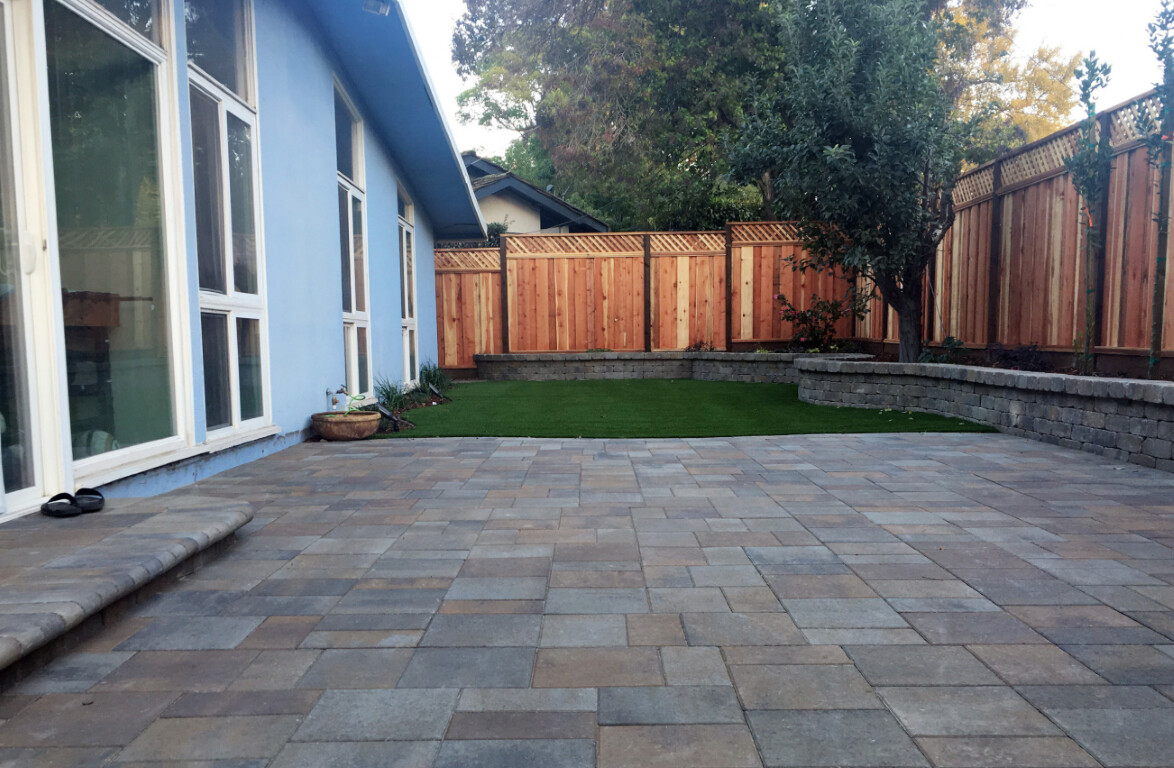
Design flexibility is another advantage. While some people picture boring gray slabs, modern concrete patios offer plenty of style options. You can choose from various colors, textures, and patterns. Stamped concrete can mimic the look of expensive stone or tile at a fraction of the cost. You get the appearance you want without breaking your budget.
Concrete also handles our climate well. It doesn't expand and contract like wood. It won't fade or crack like some materials. A properly installed patio with good drainage will serve your family for decades. Many of the patios we installed years ago still look great today with nothing more than occasional cleaning.
Planning Your Patio Space
Before we pour concrete, we need to talk about how you'll use your patio. This conversation helps us design a space that works for your lifestyle. Are you setting up outdoor furniture for family meals? Do you want room for a grill and prep area? Planning to add a fire pit later? These details matter when determining size and layout.
Size and Shape
Most families need more patio space than they initially think. A small 10 by 10 foot area feels cramped once you add furniture. We typically recommend at least 12 by 16 feet for a basic seating area. If you want dining space, go larger. The good news is concrete allows flexibility in shape. You're not limited to rectangles. We can create curves, angles, and custom shapes that fit your yard and home.
Location and Sun Exposure
Think about sun patterns throughout the day. A patio in full afternoon sun might be too hot to use in summer without shade. Morning sun exposure can make breakfast outside pleasant. We'll help you evaluate your yard and find the best location. Sometimes adding a patio cover or planning for future shade structures makes sense.
Access and Flow
Your patio should connect logically to your home. Easy access from the kitchen makes outdoor dining convenient. Consider how the space flows with your existing landscaping. We can add walkways to connect different areas of your yard. Thinking through these details upfront results in a more functional outdoor space.
- Drainage: We'll grade your patio to drain away from your house and prevent water pooling.
- Utilities: Mark any underground sprinklers, electrical, or gas lines before we start digging.
- Property lines: Make sure you know where your property lines are to avoid building on a neighbor's land.
- HOA rules: If you have a homeowners association, check their requirements before we begin work.
How We Build Your Patio
Good concrete patio construction starts with the right process, and here is what happens from start to finish.
We start by excavating to the proper depth and removing any grass, roots, or debris. The area gets graded to slope away from your house for drainage. Then we bring in compacted gravel base material. This base layer is essential for preventing settling and cracking. We compact it thoroughly to create a stable foundation.
Next comes forming. We set wood or metal forms to define the patio edges and maintain proper thickness. Most residential patios need four inches of concrete. We install reinforcement like wire mesh or fiber to control cracking and add strength. If you're building near an existing structure, we add expansion joints to allow for movement.
On pour day, we place the concrete and work quickly to finish it before it sets. Our crew levels and smooths the surface. For standard finish, we broom the surface for traction. If you chose decorative options, we apply stamps, color, or texture while the concrete is still workable. Timing is critical here, which is why experience matters.
After finishing, we protect the concrete and let it cure. You'll need to stay off it for several days while it hardens. Proper curing develops the concrete's strength and durability. We might apply a curing compound or cover it with plastic depending on weather conditions. Once cured, we remove forms and clean up the site.
The whole process typically takes three to five days depending on patio size and complexity. Weather can affect the schedule, especially if rain is forecast. We won't pour in rain or if rain is likely before the concrete cures. It's better to wait for good conditions than rush and compromise quality.
Common Patio Questions
Start Planning Your Patio
Get a free consultation and quote for your concrete patio project.
Call (435) 236-6876